icon above to turn off Compatibility Mode, which is only for viewing older websites.
Online MS in Arts Administration & Museum Leadership
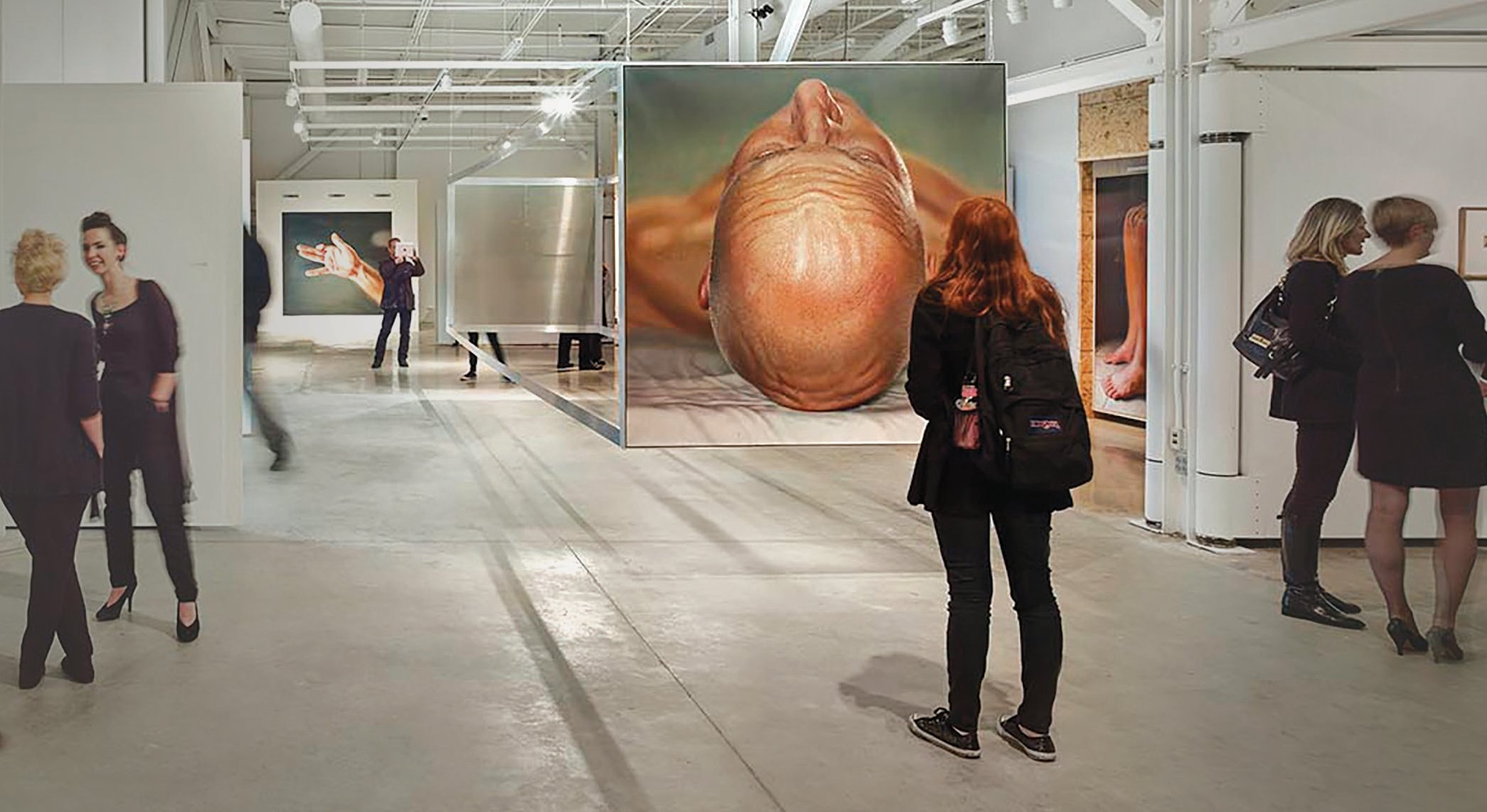
As the art and museum world continues to grow in scope and vibrancy, there’s a need for professionals who understand the modern landscape and can ensure that their organization thrives. Drexel University’s online MS in Arts Administration & Museum Leadership combines business knowledge and an entrepreneurial spirit with art and museum industry insight to make you career-ready and give you an edge in a competitive job market. The program is ideal for those looking to stand out in the job market, start their own cultural enterprise or advance to the next stage of their career.
What is a Master’s in Arts Administration & Museum Leadership?
A Master’s in Arts Administration & Museum Leadership equips you with the management practices, theory and hands-on experience that are essential for leadership positions in the arts or museum sectors. At Drexel, our goal is to help you emerge from the program workforce-ready. You can expect to take courses that are immediately applicable to your work, in areas such as:
- Management techniques
- Technology tools
- Legal and ethical issues
- Financial accounting
- Marketing and engagement
In addition, Drexel’s Master’s in Arts Administration & Museum Leadership program provides two concentration options to allow you to take a deeper dive into your area of interest. Your plan of study will be customized around your concentration.
Arts Administration Concentration:
Drexel’s Arts Administration program is one of the oldest in the nation. Designed for early and mid-career leaders in arts and culture, this concentration prepares you for work in non-profit and commercial enterprises. Many of our alumni also work in foundations and in government agencies. Courses are taught by professors who have a rich background and years of experience in the arts community. The concentration consists of 12 required courses and three electives, including a sequence that culminates in a research-based original thesis.
Learn more about the Arts Administration concentration:
Museum Leadership Concentration:
With a nod to the changing face of museums worldwide, Drexel takes a broad view of the field to prepare you for a number of opportunities. This concentration is ideal for those looking to work in museums such as art, science, history and cultural; living collections (zoos, arboreta, and aquariums); and historical sites. The curriculum includes 12 required courses and three electives, including a practicum where students have the opportunity to gain practical, applied experience working at a museum or cultural institution.
View a recording of our recent MS in Arts Administration and Museum Leadership Online Open House.
Residency
The program admits students in the Fall term. Students starting in the fall attend an on-campus residency which lets you meet your classmates, interact with the program director, and experience Philadelphia’s art and museum scene through lectures and group outings. The remaining coursework is all completed online.
MASTER’S OF ARTS ADMINISTRATION & MUSEUM LEADERSHIP PROGRAM FEATURES
- The program is designed for working professionals, including those already in the industry as well as those seeking to change careers.
- Faculty at the Westphal College of Media Arts & Design are industry professionals who have served in leadership roles for organizations such as the Greater Philadelphia Cultural Alliance and the Barnes Foundation.
- There are numerous opportunities to build contacts and you will gain access to an expansive network of alumni located throughout the country.
What Can You Do with a Master’s in Arts Administration & Museum Leadership?
Careers in the arts administration and museum leadership fields require a specific set of skills that are unique to these industries. Drexel’s program is designed to explore all aspects of both, preparing you for roles in marketing, collections and general management, development, community outreach, board relations, education and more. For those with an entrepreneurial spirit, the program will also provide you with the skills to start and run your own enterprise.
Recent graduates of Drexel’s Arts Administration and Museum Leadership programs have gone on to work in roles such as:
- President and CEO of the American Theatre Wing
- Artistic Director and CEO of Ballet Vero Beach
- Senior Director of Cultural Affairs at Montgomery County Community College
- Program Director at the NJ State Council of the Arts
- Development Coordinator for Donor Relations at the United States Holocaust Memorial Museum
- Executive Assistant at Grounds for Sculpture
Program Alliances
The Drexel Arts Administration & Museum Leadership Graduate Program is a proud member of various organizations, including the American Alliance of Museums, the Association of Arts Administration Educators, the Greater Philadelphia Cultural Alliance, and Americans for the Arts. The program regularly participates in national research projects, including the National and Local Profiles of Cultural Support project administered by Americans for the Arts and funded by The Pew Charitable Trusts.
In addition, Drexel University's Museum Leadership concentration has close ties with the Academy of Natural Sciences of Drexel University, the Leonard Pearlstein Gallery and the Robert and Penny Fox Historic Costume Collection.
Members of Americans for the Arts, National Guild for Community Arts Education, and other partner organizations receive a 20% tuition savings on the online MS in Arts Administration and Museum Leadership program.
Non-Matriculated Option
Interested in applying as a non-matriculated student? Select "Non-Matriculated – College of Media Arts & Design (Online)" as your program of interest on the online application. Official transcripts are required. Non-matriculated students are not eligible for financial aid.
Drexel's 10,000 Hours Podcast: The Art of the Podcast
Drexel professor Derek Gillman’s resume is basically a tour through some of the world’s greatest museums. Here, he tells us about his favorite art in Philly, and how museums are changing to keep up with the times.
Related Program
Drexel University offers a variety of Graduate Minors that can be added to any master's degree program.
State restrictions may apply to some programs.
Courses
This program is organized into four 10-week quarters per year (as opposed to the traditional two semester system) which means you can take more courses in a shorter time period. One semester credit is equivalent to 1.5 quarter credits.
Course sequencing varies by start term.
Arts Administration Concentration
| Core Courses | ||
| AAML 525 | Legal and Ethical Issues in Arts and Culture | 3.0 |
| AAML 550 | Management Techniques in Arts and Cultural Organizations | 3.0 |
| AAML 560 | Marketing & Engagement in Arts and Cultural Orgs. | 3.0 |
| AAML 575 | Revenue Development in Arts and Cultural Orgs. | 3.0 |
| AAML 610 | Financial Accounting in Arts and Cultural Orgs. | 3.0 |
| AAML 660 | Technology Tools for Arts and Cultural Managers | 3.0 |
| AAML 680 | Leadership, Strategy, & Planning in Arts and Cult. | 3.0 |
| Arts Administration Courses | ||
|
AADM 505
|
Overview of the Arts | 3.0 |
|
AADM 520
|
Creative Enterprise and Innovation | 3.0 |
|
AADM 785
|
Research Design in the Arts | 3.0 |
|
AADM 798
|
Thesis Development | 6.0 |
| Electives | 9.0 | |
| Sample Elective Offerings: | ||
|
AADM 752
|
Performance Arts Management | |
|
AADM 753
|
Visual Arts Organization Management | |
|
AADM 755
|
Community Cultural Planning | |
| Total Credits | 45.0 | |
Museum Leadership Concentration
| Core Courses | ||
| AAML 525 | Legal and Ethical Issues in Arts and Culture | 3.0 |
| AAML 550 | Management Techniques in Arts and Cultural Organizations | 3.0 |
| AAML 560 | Marketing & Engagement in Arts and Cultural Orgs. | 3.0 |
| AAML 575 | Revenue Development in Arts and Cultural Orgs. | 3.0 |
| AAML 610 | Financial Accounting in Arts and Cultural Orgs. | 3.0 |
| AAML 660 | Technology Tools for Arts and Cultural Managers | 3.0 |
| AAML 680 | Leadership, Strategy, & Planning in Arts and Cult. | 3.0 |
| Museum Leadership Courses | ||
|
MUSL 500
|
Museum History and Philosophy | 3.0 |
|
MUSL 530
|
Museum Management | 3.0 |
|
MUSL 650
|
Governance in Museums and Non-Profit Organizations | 3.0 |
|
MUSL 750
|
Museum Leadership Practicum I | 3.0 |
| Electives | 9.0 | |
| Sample Elective Offerings: | ||
|
MUSL 630
|
Exhibitions and Programming | |
|
MUSL 710
|
Bricks and Mortar | |
|
MUSL 720
|
Overview of Cultural Practices | |
| Total Credits | 45.0 | |
Admissions Criteria
- A bachelor's degree from a regionally accredited institution
- Undergraduate GPA of 3.0 or higher (graduate degree GPA's will be considered along with the undergraduate GPA)
Required Documents
With multiple ways to submit documents, Drexel makes it easy to complete your application. Learn more by visiting our Completing Your Application Guide.
- A completed application
- Official transcripts from all universities or colleges and other post-secondary educational institutions (including trade schools) attended
- Two professional letters of recommendation
- Essay (minimum 500 words) that will give the admissions committee a better understanding of:
- What led you to the field of arts administration or to the museum sector?
- How the program will meet your current and future professional development goals
- Resume demonstrating a strong affinity for the arts, cultural and creative sector through work, volunteer experiences, education, or special training
- Additional requirements for International Students
You may transfer up to 15 credits from previous graduate studies into the program (credits must be approved by the program director and all transfer credits must be at the graduate level).
Tuition
The tuition rate for the academic year 2024-2025 is $1190 per credit.
For the academic year 2023-2024, students enrolled in an online graduate academic program will be charged a graduate online program fee of $125 per year.
- This program is eligible for Financial Aid.
- Special tuition rates available for Drexel University Alumni, Military members, and members of our Partner Organizations.
- These rates apply only to new online students and students being readmitted. Tuition savings do not apply to hybrid or on-campus courses (excluding residency.)
- All students must contact applyDUonline@drexel.edu within the first two weeks of the term to request tuition savings for which they qualify.
- Special rates cannot be combined. If you qualify for more than one special rate, you'll be given the one with the largest savings.
- When receiving special tuition plans with Drexel University Online, you may not combine them with other tuition benefits that may be available from Drexel University.
Program Director
 |
Pamela Yau |
|
Pamela Yau is an arts administration educator, producer, and publicist. She has taught in the graduate arts administration programs at Columbia University's Teachers College and Drexel University. A native Philadelphian, Pamela has previously served as the Special Projects Coordinator for the City of Philadelphia's Office of Arts, Culture, and the Creative Economy, where she produced and programmed special events and performances for the City including Philly Celebrates Jazz, Philadelphia's celebration of Jazz Appreciation Month and the Culture in the Courtyard performance series at Philadelphia City Hall. She was also responsible for leading the public relations and marketing efforts of the Office. Pamela has worked extensively with arts organizations and artists across the cultural sector to create and implement tailored digital and social media public relations and marketing campaigns and strategies. Her approach to digital marketing of the arts includes the two-fold objective of reaching target audiences and increasing public engagement. Pamela has been honored by Billy Penn as a part of "Who’s Next Communications" as an up-and-coming communications leader in Philadelphia. |
|
Academic Calendar
2023-2024 Academic Year
Term
Classes Begin
Classes End
Exams Begin
Exams End
Fall 2023
September 26, 2023
December 9, 2023
December 11, 2023
December 16, 2023
Winter 2024
January 8, 2024
March 16, 2024
March 18, 2024
March 23, 2024
Spring 2024
April 1, 2024
June 8, 2024
June 10, 2024
June 15, 2024
Summer 2024
June 24, 2024
August 31, 2024
September 3, 2024
September 7, 2024
Apply for admission to Drexel University
Use the Apply Now form to get started.
Previously enrolled at Drexel? Learn more about readmission.
Any problems? Find help or contact us.